

Celts & Romans
Heidelsburg Castle Ruins near Waldfischbach-Burgalben
The Heidelsburg castle ruins on the Fröhnersberg near Waldfischbach-Burgalben were created in several phases of settlement activity throughout history. In this context, the first traces of a settlement date back to the La Tène period around 400 BC, when a Celtic tribe presumably settled here. Subsequently, the Romans used the area for several centuries due to its strategic location until the fortification was destroyed. The remains of the facility today form a registered monument zone.

Read more about the Heidelsburg Castle Ruins in the Westpfalz Wiki
Mithras monument near Reichweiler
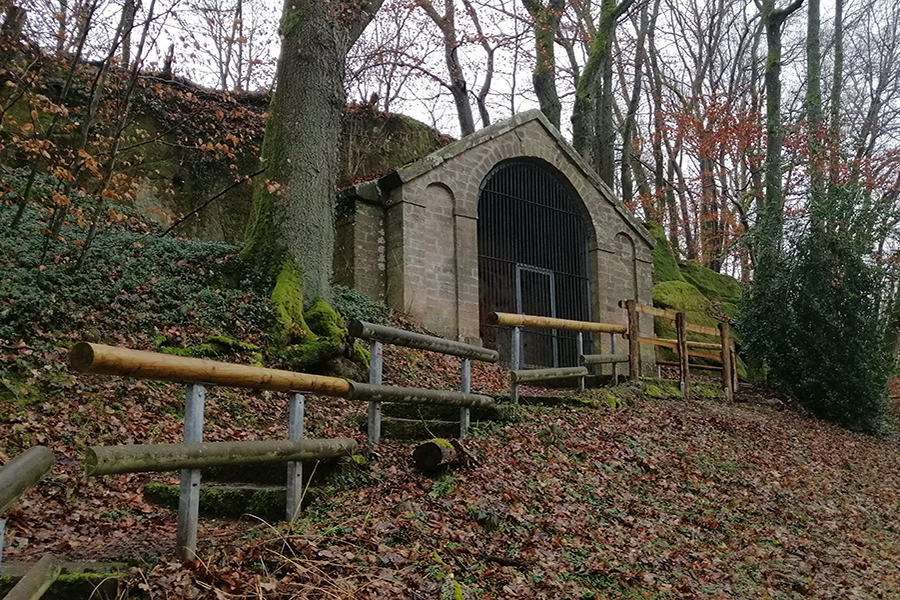
The relief at Reichweiler near the border with Saarland refers to the Roman Mithras cult, which spread throughout the Roman Empire in the 1st century BC. The monument was originally part of a temple complex and shows the god Mithras killing
Celts & romans – 1 –
a bull. The relief is now heavily weathered and is surrounded by a protective structure that is meant to indicate the former temple complex.
Read more about the Mithras monument in the Westpfalz Wiki
Celtic Garden in Steinbach am Donnersberg
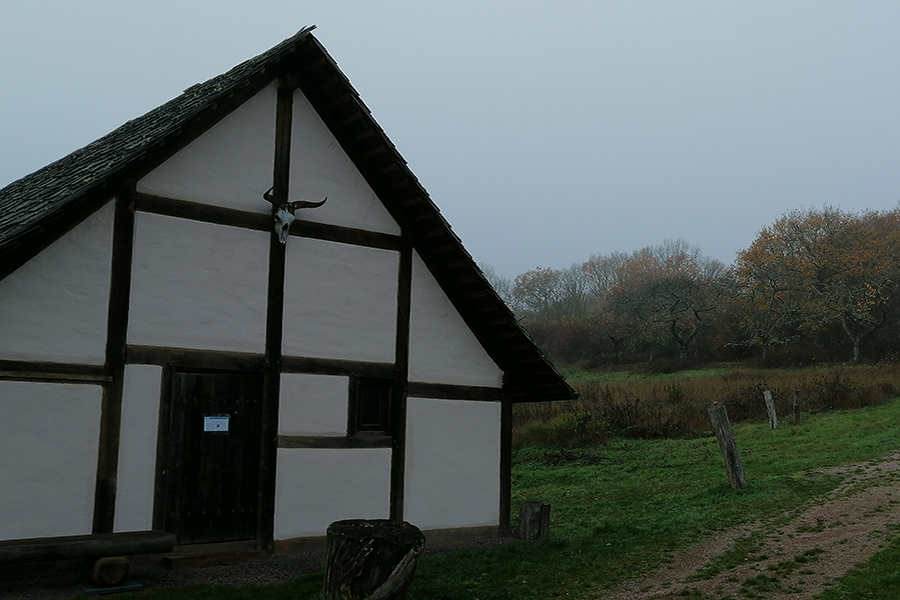
The Celts shaped the region around the Donnersberg, and that’s why the place Steinbach offers two attractions with a Celtic village and a Celtic garden, which vividly bring the world of the Celts closer to the visitor. The garden is around 6.4 hectares in size and is designed to encourage exploration of Celtic culture with all the senses. The three thematic areas „Nature then and now,“ „Culture and Belief,“ and „Life and Work of the Celts“ illustrate the plant world and agriculture during the time of the Celts.
Did you know? Once upon a time, one of the largest Celtic city complexes in Central Europe was located on the Donnersberg.
Read more about the Celtic Garden in the Westpfalz Wiki

Address: 67808 Steinbach am Donnersberg
Celts & romans – 2 –
Reconstructed Celtic village in Steinbach am Donnersberg
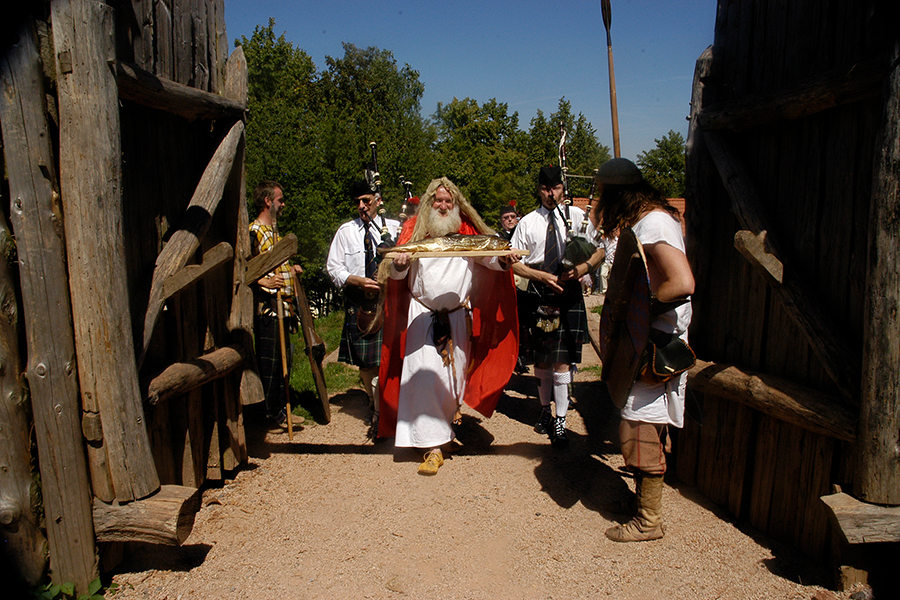
The Celtic village in Steinbach am Donnersberg is an open-air museum for all ages, vividly showcasing the life and work of the Celts. Visitors can not only explore the reconstructed Celtic settlement but also learn Celtic craft techniques.
Read more about the reconstructed Celtic village in the Westpfalz Wiki
Celtic ring wall
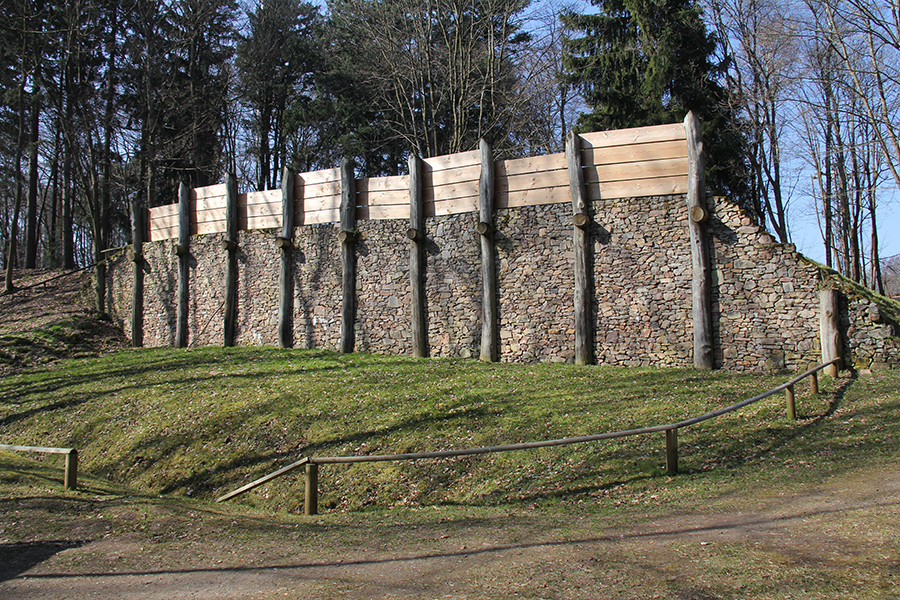
On the Donnersberg mountain near Dannenfels stood a Celtic fortification with a ring wall. The remains of the 8.5-kilometer-long ring wall system can still be explored today and, with information, excavations, and a reconstruction of the wall’s cross-section, make it a beautiful destination for hikers.
Celts & romans – 3 –
Read more about the Celtic ringwall in the Westpfalz Wiki
Celtic chariot burial near Weilerbach
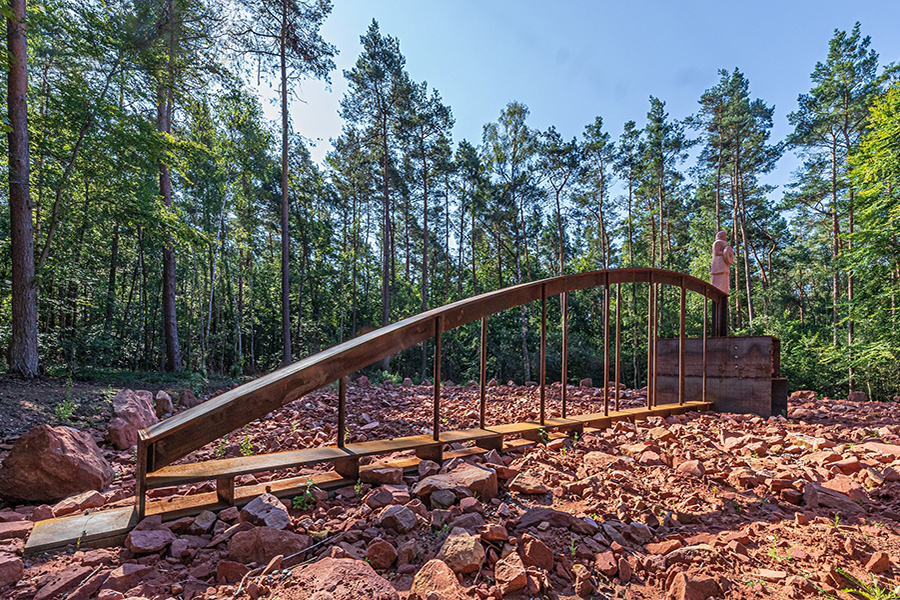
The Celtic chariot burial in Weilerbach possesses particular archaeological value due to its size and as the only excavated burial in the Palatinate. Numerous other, now hidden, burials are suspected to lie within the excavation area, which has been neglected since its opening in 1875. A steel reconstruction of the chariot burial, located in close proximity to the original find spot, now illustrates the dimensions and design of the original grave.
Read more about the Celtic chariot burial in the Westpfalz Wiki
Address: 67685 Weilerbach
Celtic burial mounds near Mehlingen
Celtic burial mounds are located around the village of Mehlingen. Today, over 300 burial mounds are known. The entire area lies in the heart of the former Celtic settlement area, within sight of the Donnersberg mountain.
Celts & romans – 4 –
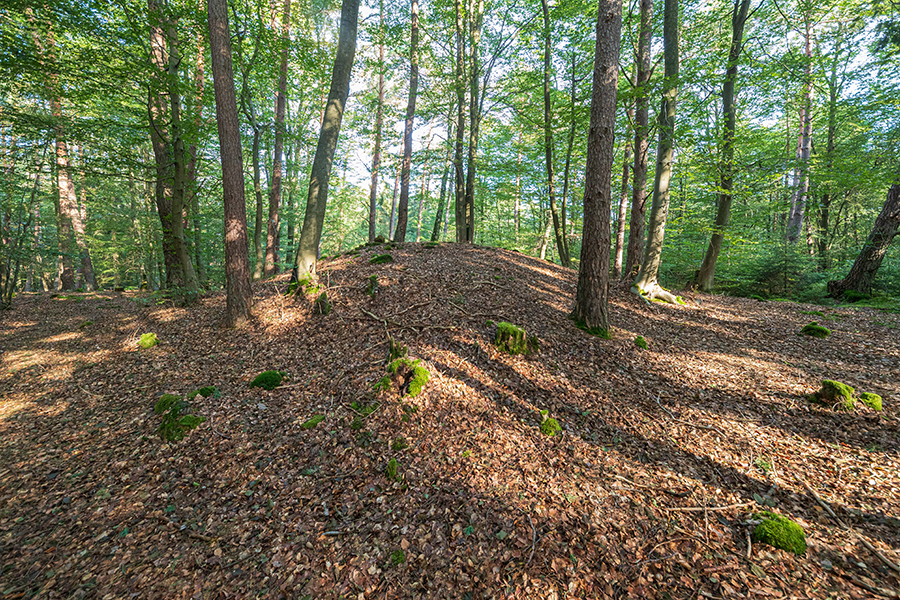
Very rare examples of Celtic burial mounds have been reconstructed in the Zollstock and Daubenborner Heide forest sections near Mehlingen. Further graves can be found south of Baalborn.
Read more about the Celtic burial mounds in the Westpfalz Wiki
Address: Fröhnerhof, 67678 Mehlingen
Heidenburgwarte near Kreimbach-Kaulbach
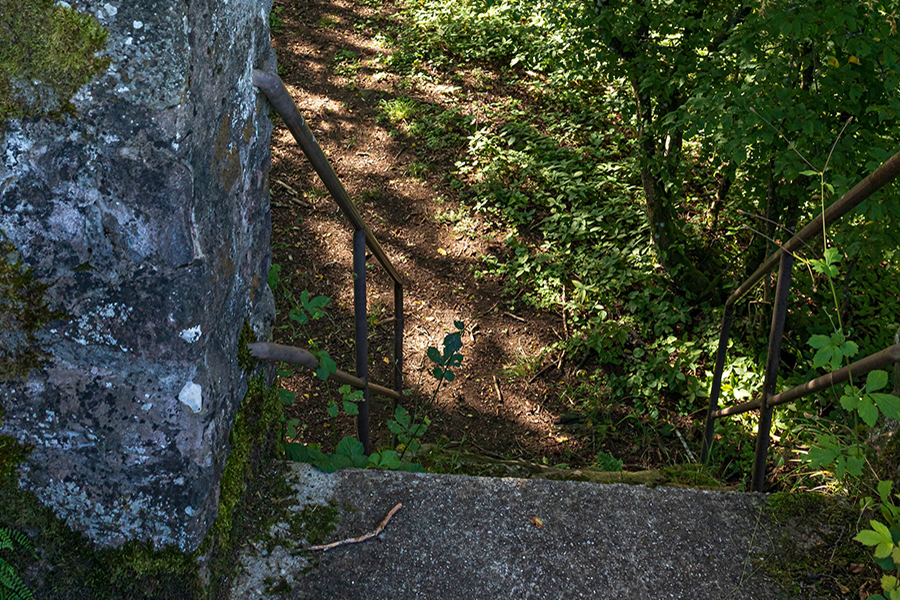
The Heidenburgwarte near Kreimbach-Kaulbach was built in 1901 from the stone remains of a former Roman mountain fortress. However, during the time of the Celts, a Celtic refuge with a ring wall already stood at the site of today’s Heidenburgwarte. Remains of this can still be seen today. The current watchtower, about five meters high, offers a beautiful view of Königsberg and the Lautertal valley with the town of Wolfstein.
Celts & romans – 5 –
Read more about the Heidenburgwarte in the Westpfalz Wiki
Address: 67757 Kreimbach-Kaulbach
Celtic Sculpture Trail on the Donnersberg
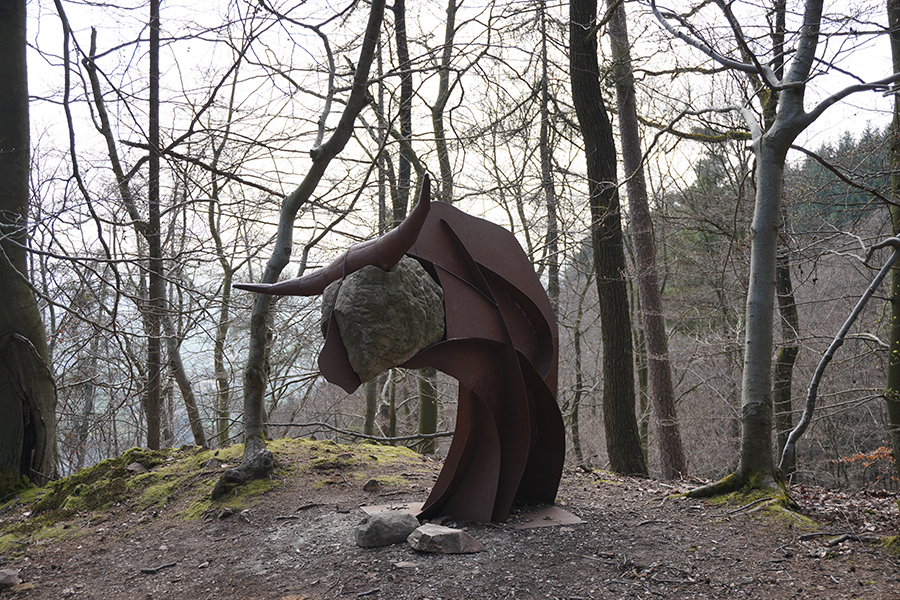
The Celtic sculpture trail near Dannenfels comprises 13 stations and was created as part of a sculpture symposium. This large-scale cultural project was completed in 2014. The trail is approximately eight kilometers long and connects the Celtic village in Steinbach with the Celtic ringfort on the Donnersberg mountain. Along the way, 13 sculptures, some hidden in the woods, are waiting to be discovered.
Read more about the Celtic Sculpture Trail in the Westpfalz Wiki
Address: 67814 Dannenfels
„Old castle“ near Rodalben
The „Old Castle“ in Rodalben is not strictly speaking a proper castle. Rather, the rock mass of sandstone is a prehistoric refuge, which was protected in a natural way by rocks and a rampart. The ditch and rampart system consists
Celts & romans – 6 –
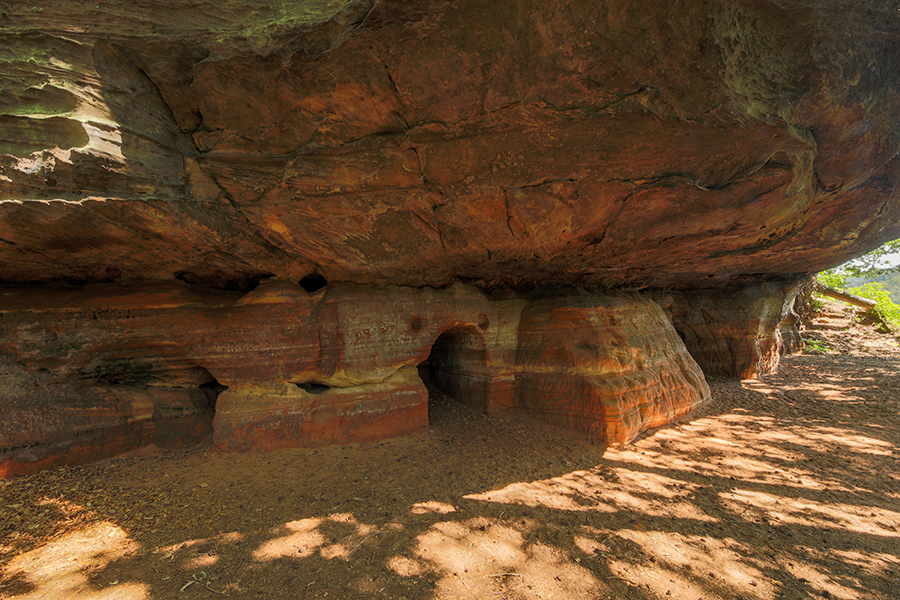
of three section ramparts and two ditches, which hikers can still get an impression of today. The site is located directly on the Rodalber Felsenwanderweg, and from the plateau of the Old Castle, there is a beautiful view over Rodalben.
Read more about the “Old Castle“ in the Westpfalz Wiki
Address: 66976 Rodalben
Roman tombstone “Sickinger Cubes” in Landstuhl
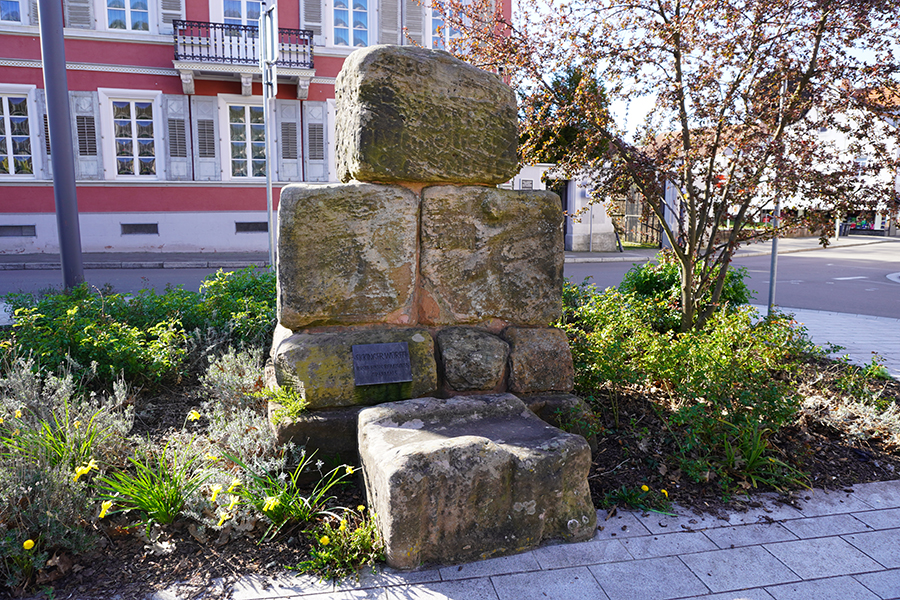
The Sickinger cubes are remnants of a Roman tomb, which was found in 1864 on Kaiserstraße. To protect it from damage, the Sickinger Würfel were moved to the Old Market. Today, the monument, which consists of three large cuboid stones, can still be seen at the Old Market.
A legend also surrounds the dice: Franz von Sickingen, the knight who was said to have magical powers, rolled the dice on the eve of the great siege of
Celts & romans – 7 –
Nanstein Castle and threw the dice down into the town from the castle in grief.
Read more about the Sickinger cubes in the Westpfalz Wiki
Read more about the legend of Sickingen’s Cube
Address: Am Alten Markt, 66849 Landstuhl
Roman excavations and finds near Erfenbach
During construction work in 2002 along the B270 between Kaiserslautern-Erfenbach, Sambach, and Otterbach, Roman bricks and ceramic shards, as well as ceramic kilns and refuse pits dating from the second to third centuries AD, were discovered. A Roman money box containing coins was already found in the Erfenbach area in the mid-1960s.
Read more about the excavations and finds in the Westpfalz Wiki
Address: Ausgrabungen bei Erfenbach
Teufelstein near Frankelbach
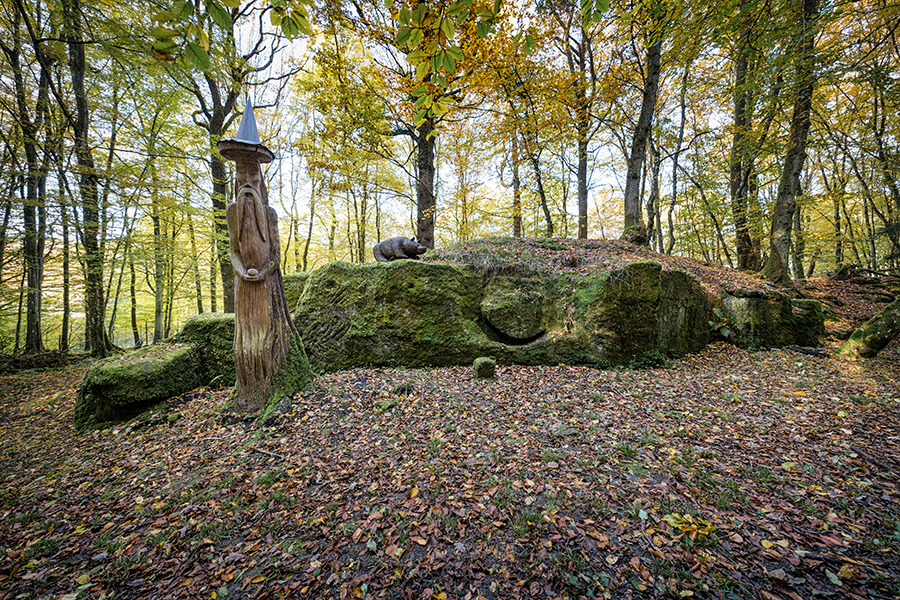
The Teufelstein near Frankelbach has served as a quarry for the Romans since the 3rd/4th century. The traces of stone processing and the typical extraction technique are still visible today in the quarrying of building stone. Until the beginning of the 20th century, it was mistakenly believed that the so-called Teufelstein was a Celtic sacrificial site.
Celts & romans – 8 –
Read more about the Teufelstein in the Westpfalz Wiki
Address: 67737 Frankelbach
Hinkelstein near Otterberg
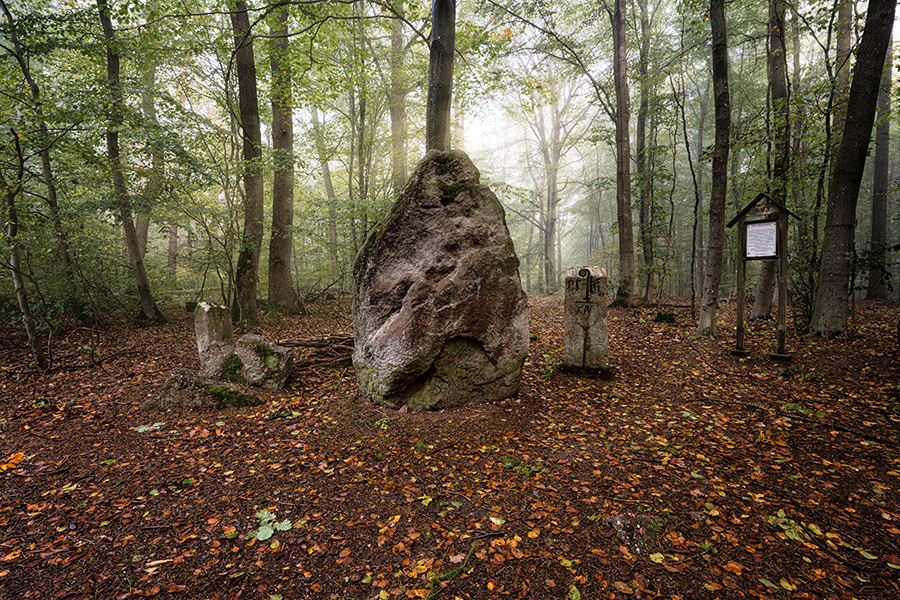
In prehistoric times, nearly 3000 years ago, the Hinkelstein in Otterberg was erected in connection with the Ice Age cult of the dead. For centuries, it marked two ancient roads near Otterberg. In the 18th century, a boundary stone was placed to the right and left of the Hinkelstein. All three rocks are still in place today and mark the meeting point of three municipal boundaries.
Read more about the Hinkelstein in the Westpfalz Wiki
Address: 67697 Otterberg
Celts & romans – 9 –
Heidenfelsen near Landstuhl
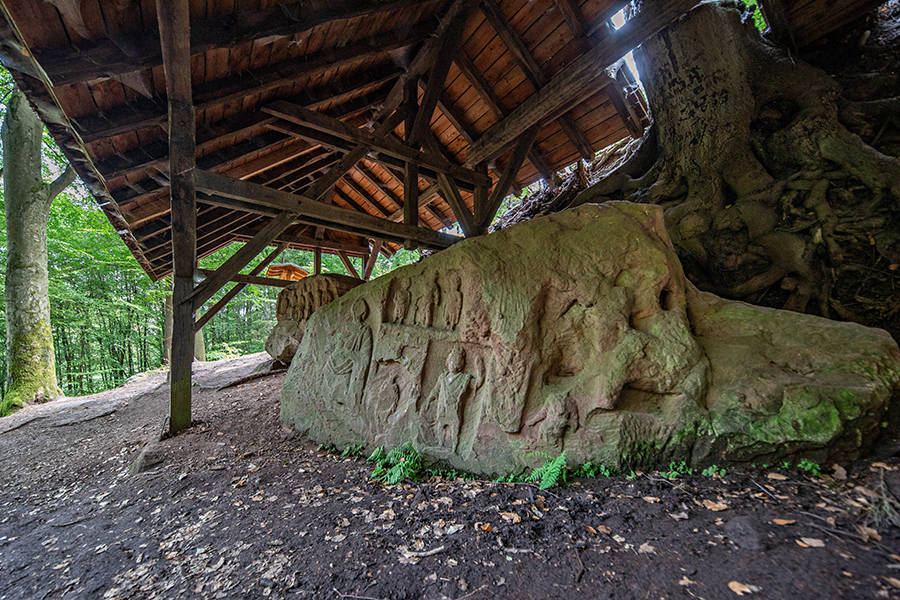
The Heidenfelsen are located in a forested area between Kindsbach and Landstuhl. They are the best-preserved Roman spring sanctuary in Central Europe, still located in its original place. These are two rocks from a former temple, into which figurative representations were carved.
Read more about the Heidenfelsen in the Westpfalz Wiki
Address: 66849 Landstuhl
Late Roman hill settlement on the Great Mountain near Kindsbach
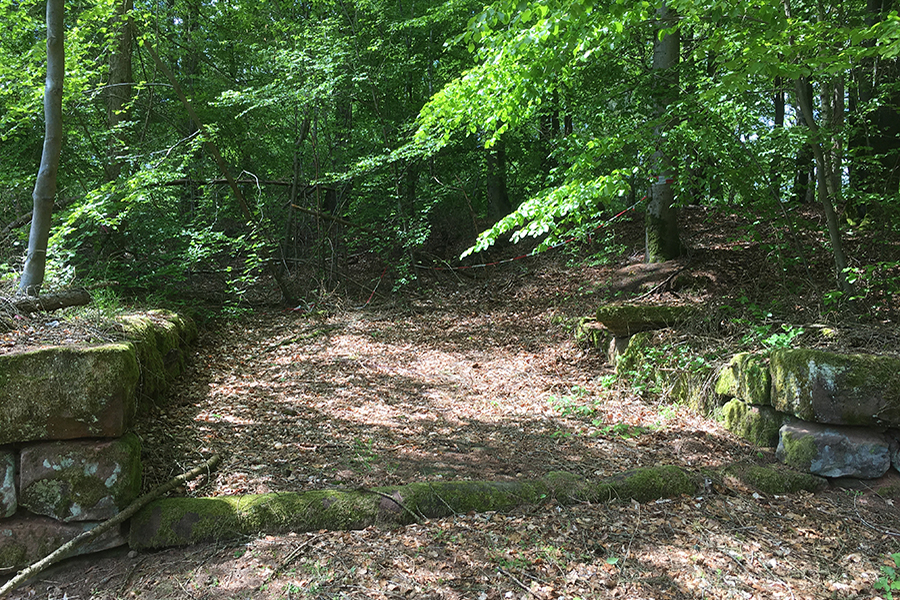
On the approximately 1.6-hectare mountain plateau on the Great Mountain between Kindsbach and Kaiserslautern-Einsiedlerhof, a late Roman highland settlement was uncovered and researched in the 1980s under the direction of archeologist Helmut Bernhard. Remains of the masonry, which originated around the year 350 AD, have been preserved.
Celts & romans – 10 –
Read more about the Late Roman Hill Settlement in the Westpfalz Wiki
Address: 66862 Kindsbach
Roman Vicus of Eisenberg
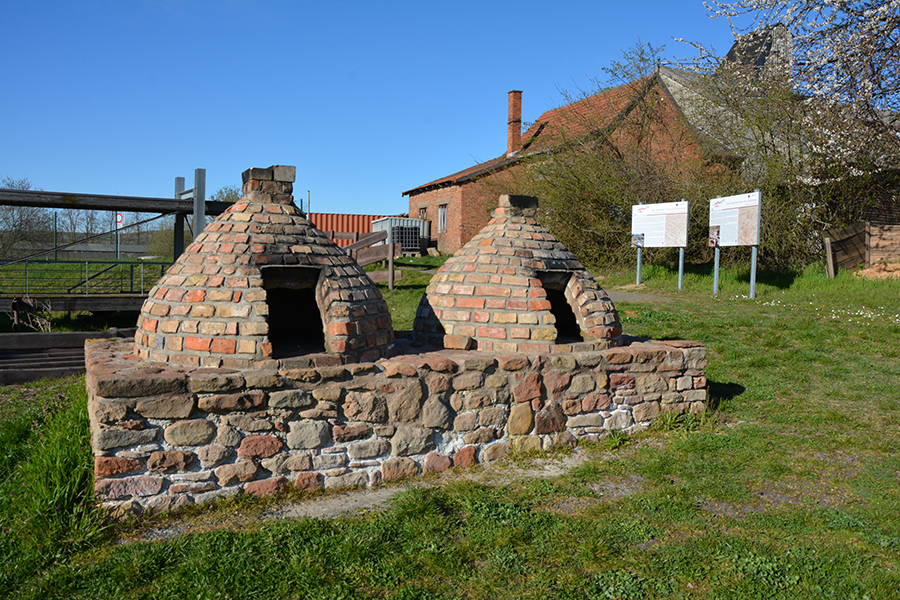
The Roman vicus in Eisenberg was located on the important long-distance road between Metz and Worms and was established, among other things, to secure it in early Christian times. Due to the high iron ore deposits, the settlement became a center for iron extraction, and the inhabitants became very prosperous. The first houses were built in the 1st century AD. The fort in the west of the settlement dates back to the 4th century. A century later, the settlement was abandoned and presumably completely deserted.
Read more about the Roman Vicus in the Westpfalz Wiki
Address: 67304 Eisenberg (Pfalz)
Villa Rustica Herschweiler-Pettersheim
The Villa Rustica between Herschweiler-Pettersheim and Wahnwegen is a testament to Roman settlement in the region. The exposed foundations of a two-storey manor house from the 2nd-3rd century AD are accessible free of
Celts & romans – 11 –
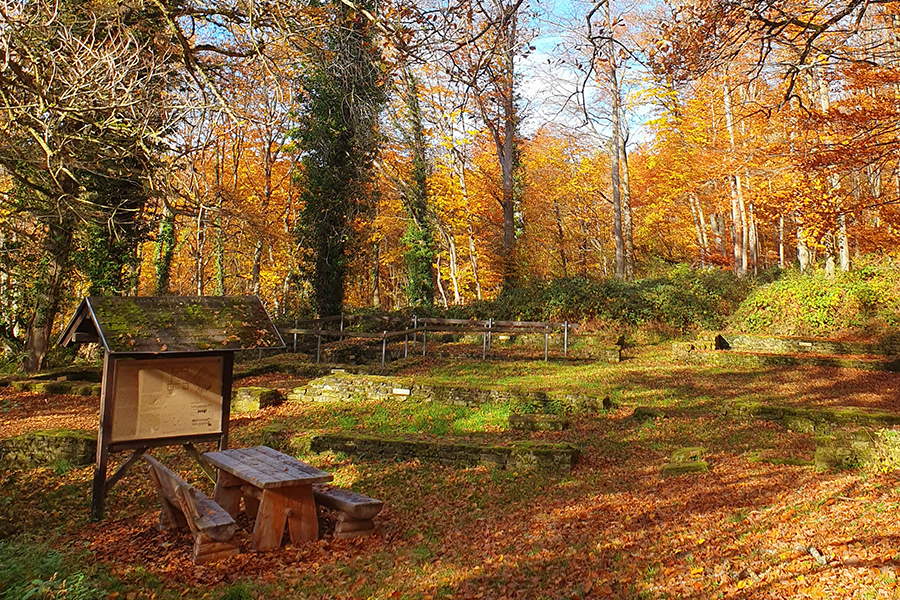
charge all year round. Signs on site explain the structure and use of the facility – a worthwhile destination for history enthusiasts and families.
Read more about the Villa Rustica in Herschweiler-Pettersheim
Address: K20, 66909 Herschweiler-Pettersheim
Villa Rustica Reipoltskirchen/Ingweilerhof
Between Reipoltskirchen and Hefersweiler, near the Ingweilerhof, the exposed wall remains of a Villa Rustica testify to life in the Roman province. The manor house of the time was built functionally, without a representative facade, and probably even had heated rooms. An information board on site provides exciting insights into Roman construction methods and everyday culture – a quiet, historically significant place in the midst of the North Palatine nature.
Read more about the Villa Rustica in Reipoltskirchen
Address: 67753 Reipoltskirchen

Walk in the footsteps of the Celts & Romans in the Westpfalz Wiki
Celts & romans – 12 –