

Military Heritage
23rd Barracks / Kleber Barracks
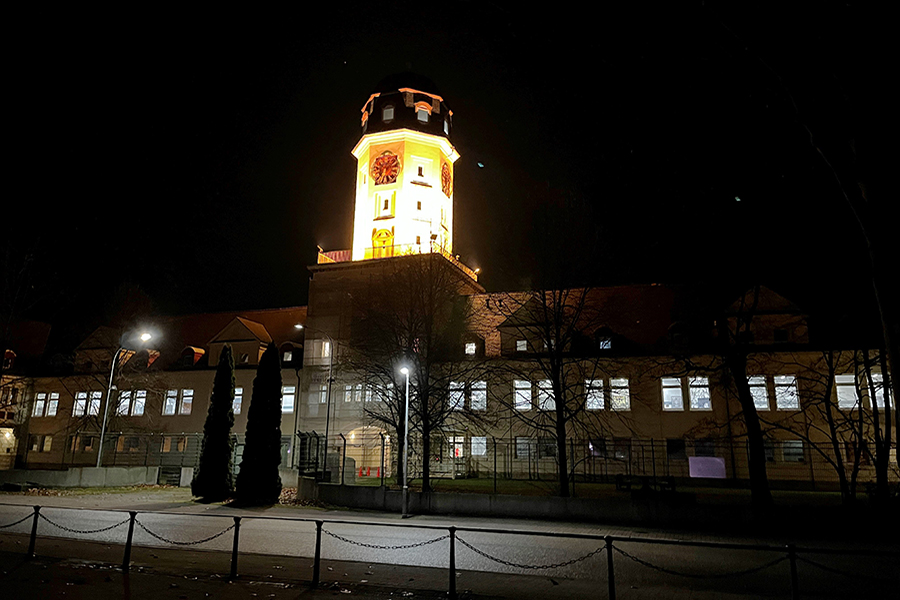
The 23rd Barracks, located in the eastern part of Kaiserslautern, was built in 1913 and was occupied several times by French and American troops during the first half of the 20th century. After World War II, it was renamed the Kléber Barracks and has been used by the U.S. Army since 1951. For this reason, it is not open to the public.

Read more about the 23rd Barracks in the Westpfalz Wiki

Address: 23er-Kaserne, 67657 Kaiserslautern
Former Husterhöh Barracks
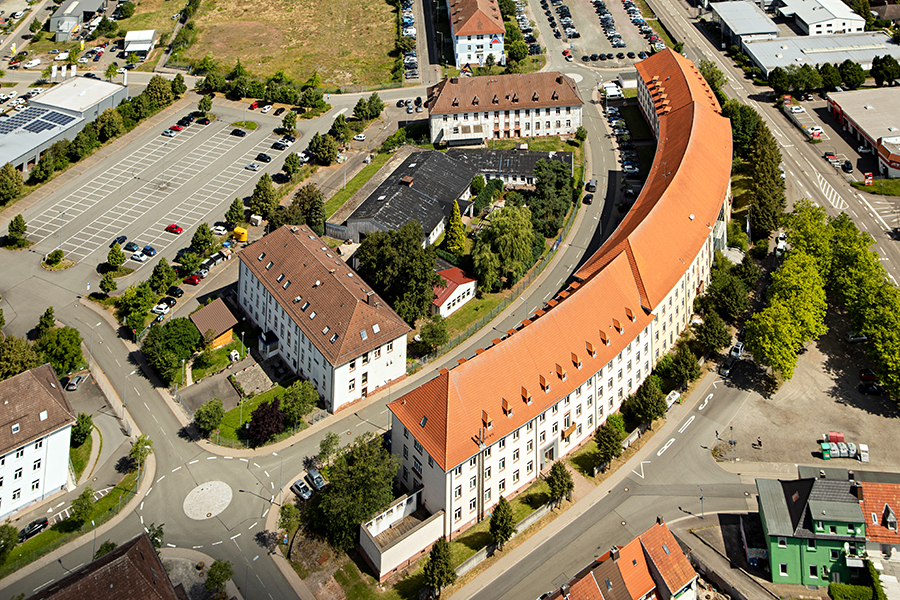
The Husterhöh Barracks were originally built in the 1930s for soldiers of the German Wehrmacht. However, like the rest of Pirmasens, they were occupied by American forces in 1945. They then served as a U.S. military base from 1945 to 1994
Military heritage – 1 –
and were expanded over the years. After the Americans had almost completely withdrawn from Pirmasens in 1997, the federal government reclaimed the barracks site, sold it, and large parts of the area were converted into a business park as part of a conversion project.
Read more about the Husterhöh Barracks in the Westpfalz Wiki
Address: Delaware Avenue, 66953 Pirmasens
White Barracks
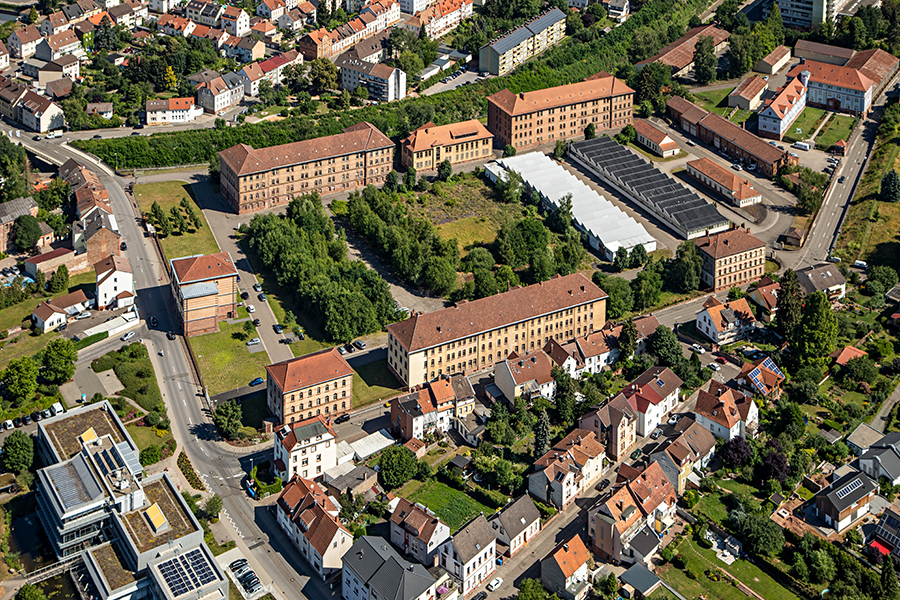
The White Barracks is a former military property located in the heart of the city of Zweibrücken, built in 1892–93. Until 1994, the barracks underwent a series of significant changes in use: French occupation forces, the Bavarian riot police, units of the Wehrmacht, and, most recently, the U.S. Air Force were stationed there. In 1996, the site was sold to a private investor and has been slated for revitalization ever since. The approximately five-hectare site, with its distinctive brick buildings, is also designated as a historic preservation zone.
Read more about the White Barracks in the Westpfalz Wiki
Address: Weiße Kaserne, 66482 Zweibrücken
Military heritage – 2 –
Mehlinger Heide
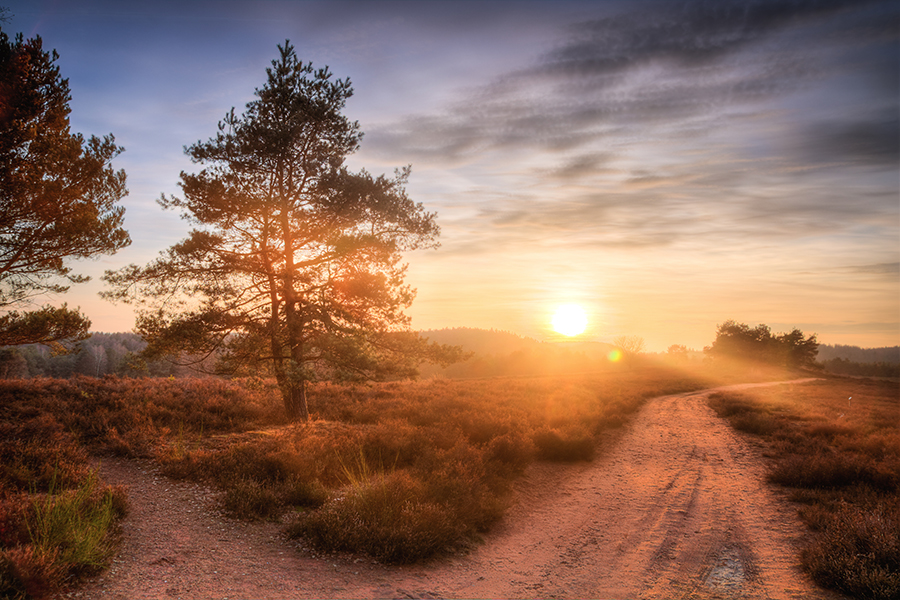
It was only through the clearing of the land and its long-term use as a military training area that the heathlands near Mehlingen came into being. After its military use ended, the area—where a diverse flora and fauna had developed—was placed under protection. Since 2001, the area has been a nature reserve and is considered the largest heathland area in Germany outside of northern Germany. Today, visitors can explore the heathland along designated trails.
Read more about the Mehlinger Heide
Address: Mehlinger Heide, 67678 Mehlingen
Tank trench of the Siegfried Line near Waldmohr
Tank trenches are deep, wide, and usually water-filled trenches or artificially widened watercourses designed to prevent enemy tanks from advancing. The tank ditch near Waldmohr is a remnant of the Siegfried Line; it is approximately 30 meters wide and was originally intended to be five meters deep. Today, it is a restored section of the Glans River where people also go fishing.
Military heritage – 3 –
Read more about the tank trench in the Westpfalz Wiki
Address: Panzergraben, 66914 Waldmohr
Area One in Fischbach bei Dahn
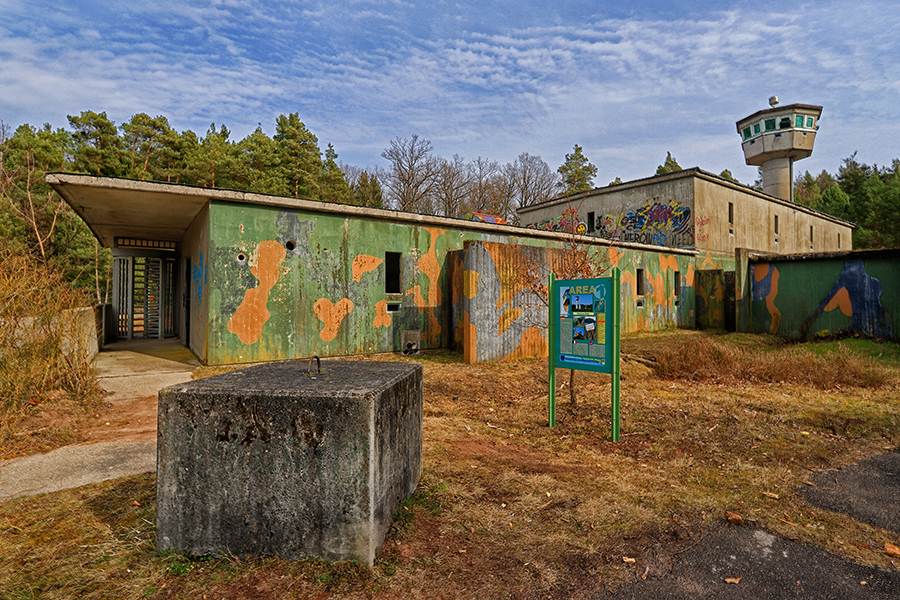
Area 1 is a former NATO special weapons depot from the Cold War era, where nuclear weapons were likely also stored. Since 2012, it has been one of two Cold War relics in Rhineland-Palatinate designated as historic landmarks, alongside the former Bundesbank bunker near Cochem.
Read more about Area One in the Westpfalz Wiki
TIERART Wildlife Rescue Center: “The Cave” – Animals in War
Near Maßweiler in the Southwest Palatinate lies a former U.S. military base that has been repurposed in recent years to offer injured or orphaned native animals, as well as rescued exotic animals, a second chance at life. The animals are cared for there and, if possible, released back into the wild.
Military heritage – 4 –
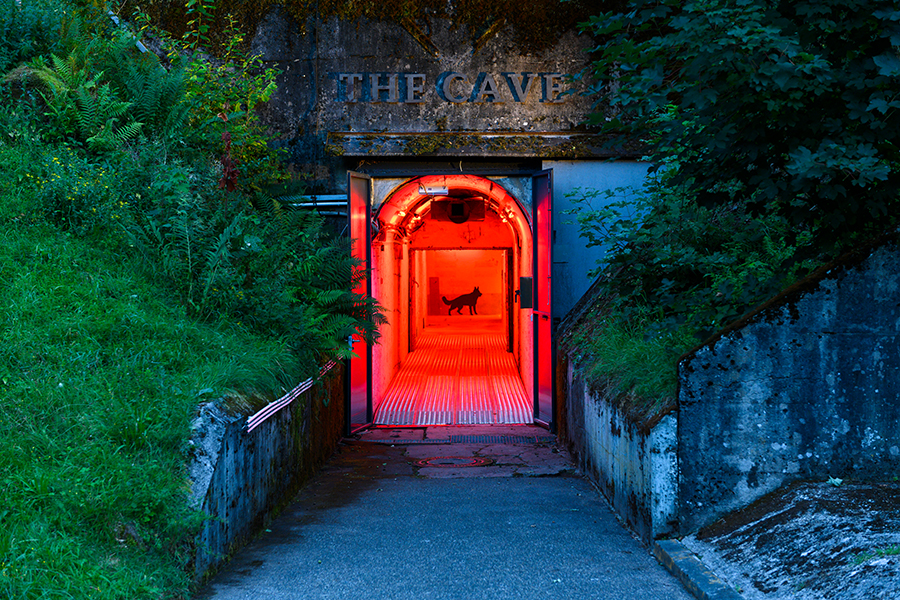
The site also features an underground bunker complex that, since 2019, has housed an exhibition unique in Germany. “Animals in War” depicts the joys and sorrows experienced by animals in crisis zones.
Read more about TIERART
Address: Tierartstraße 1, 66506 Maßweiler

Military heritage – 5 –